“deep processing” search results (4000)

Simple understanding of roasting of coffee beans and attention should be paid to preservation conditions
The roasting of coffee beans is the process of converting coffee from raw beans to ripe beans, which is generally divided into eight stages: very shallow roasting (LIGHTRoast), shallow roasting (CINNAMON Roast), micro roasting (MEDIUM Roast), medium roasting (HIGHRoast), medium and deep roasting (CITY Roast), deep roasting (FULL-CITY Roast), very deep roasting (FRENCHRoast), and very deep roasting (ITALIAN Roa).
2014-09-13 Coffee bean roasting roasting knowledge coffee bean preservation coffee knowledge
Simple understanding of roasting of coffee beans and attention should be paid to preservation conditions
The roasting of coffee beans is the process of converting coffee from raw beans to ripe beans, which is generally divided into eight stages: very shallow roasting (LIGHTRoast), shallow roasting (CINNAMON Roast), micro roasting (MEDIUM Roast), medium roasting (HIGHRoast), medium and deep roasting (CITY Roast), deep roasting (FULL-CITY Roast), very deep roasting (FRENCHRoast), and very deep roasting (ITALIAN Roa).
2014-09-13 Coffee bean roasting roasting knowledge coffee bean preservation coffee knowledge
Simple understanding of roasting of coffee beans and attention should be paid to preservation conditions
The roasting of coffee beans is the process of converting coffee from raw beans to ripe beans, which is generally divided into eight stages: very shallow roasting (LIGHT Roast), shallow roasting (CINNAMON Roast), micro roasting (MEDIUM Roast), medium roasting (HIGH Roast), medium and deep roasting (CITY Roast), deep roasting (FULL-CITY Roast), very deep roasting (FRENCH Roast), and very deep roasting (ITALIAN).
2014-09-13 Coffee bean roasting roasting knowledge coffee bean preservation coffee knowledge
Processing technology of coffee-coffee beans
Peeling: the peel and most of the flesh are removed mechanically. Roasted coffee beans are fermented and dried: coffee beans can release the special aroma of coffee through roasting. Each coffee bean contains its aroma, sour taste, sweetness and bitterness. How to release it incisively and vividly depends on the heat of its baking, from the insipid raw beans to the mellow aftertaste in the cup.
2014-07-09 Coffee knowledge coffee bean processing coffee bean roasting
Processing of coffee beans before grinding
First, peeling: the peel and most of the pulp are removed mechanically. Second, fermentation third, drying fourth, roasting: coffee raw beans can release the special aroma of coffee through roasting. Each coffee bean contains its aroma, sour taste, sweetness and bitterness. How to release it incisively and vividly depends on the heat of its baking, from the insipid raw beans to the aftertaste of the cup.
2014-07-07 Coffee knowledge coffee grinding coffee processing coffee encyclopedia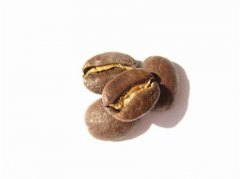
The processing process of coffee beans before grinding explains in detail the treatment of coffee fruits
First, peeling: the peel and most of the pulp are removed mechanically. Second, fermentation third, drying fourth, roasting: coffee raw beans can release the special aroma of coffee through roasting. Each coffee bean contains its aroma, sour taste, sweetness and bitterness. How to release it incisively and vividly depends on the heat of its baking, from the insipid raw beans to the aftertaste of the cup.
2015-05-15 Coffee beans grinding processing process detailed explanation coffee
Drinking coffee must start with raw coffee beans.
The Espresso boiled at the ideal water temperature is dark reddish brown, and the foam is mottled dark brown (the Italians call it el tigre), and the foam thickness should be more than 4mm. On the whole, large coffee beans can produce better coffee. In the case that the quality of coffee beans is now fully mastered, the first skill problem to be dealt with is blending.
2015-05-11 Coffee exquisite must coffee beans start ambition water temperature boil come out Es
Processing of coffee beans before grinding treatment of coffee fruit
First, peeling: the peel and most of the pulp are removed mechanically. Second, fermentation third, drying fourth, roasting: coffee raw beans can release the special aroma of coffee through roasting. Each coffee bean contains its aroma, sour taste, sweetness and bitterness. How to release it incisively and vividly depends on the heat of its baking, from the insipid raw beans to the aftertaste of the cup.
2015-03-27 Coffee beans grinding processing process coffee
Roasting determines the taste of coffee
Generally speaking, each coffee cherry contains two raw beans, and the fragrance is still hidden, waiting to be discovered. In raw beans, it contains a lot of chloric acid. As the baking process, chloric acid will gradually disappear, releasing familiar and pleasant fruit acid-such as acetic acid, citric acid, malic acid in wine. Baking is just right, it can present these beautiful sour taste moderately; on the contrary,
2014-07-04 Roasting determines the taste of coffee and roasting of coffee beans
Coffee technology Coffee bean processing before grinding
First, peeling: the peel and most of the pulp are removed mechanically. Second, fermentation third, drying fourth, roasting: coffee raw beans can release the special aroma of coffee through roasting. Each coffee bean contains its aroma, sour taste, sweetness and bitterness. How to release it incisively and vividly depends on the heat of its baking, from the insipid raw beans to the aftertaste of the cup.
2014-10-22 Coffee knowledge coffee technology coffee grinding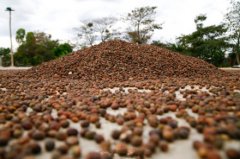
Coffee roasting knowledge answers to various questions in the roasting process
Through the burning of the fire, the special aroma of coffee can be released, sprinkling the personality of each coffee bean: sour, sweet and bitter, from the insipid raw bean to the endless aftertaste in the cup. Roasting-is the most important station for each coffee bean to outline its character and breed its fragrance during its long journey. The coffee beans are about 12-16 minutes long and warm.
2015-05-28 Coffee roasting knowledge process all kinds of questions overheating burning OK release
Problems needing attention in the roasting process of coffee beans
The key to the popularity of roasted coffee lies in the aroma and taste of roasted coffee, because the coffee bean itself does not have any special taste. Baking is to change and reorganize the substances inside the raw beans to form a new structure and become people's favorite drink with a strong and mellow flavor. The roasting of coffee is a kind of high temperature coking (Pyrol
2015-10-13 Coffee beans roasting stages processes needs attention problems
Coffee beans roasting knowledge Coffee beans light roast, medium roast, deep roast
Roast coffee is the most important stop for brewing coffee aroma. In the world of roasting, there is no passport without resistance. Americans prefer light roasting, while British prefer deep roasting. Coffee roasting, there is no uniform standard. Are you ready to roast beans and decide to show off your skills and roast coffee beans with exclusive flavor? If not, use your imagination and follow us into this incense.
2015-03-13 coffee beans roast knowledge light roast medium roast deep roast coffee gestation aromatic
Processing of coffee beans
1. Peeling removes the peel and most of the flesh by mechanical or manual means. two。 Fermentation removes the mucus and film from the core by fermentation. as the length of fermentation time will affect the flavor of coffee, each manufacturer has its own fermentation time. 3. The drying method is mainly divided into natural sun drying and natural air drying. Excessive water content can easily lead to mildew and insect growth of raw coffee beans.
2014-07-08 Coffee knowledge coffee bean processing coffee encyclopedia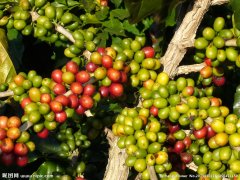
Sumatran boutique coffee
High-quality coffee beans are refined by water treatment. The coffee beans with less impurities can be obtained by the water washing method, but if the water quality and time are not properly controlled during the fermentation process, the coffee beans will easily be infected with the sour taste of excessive fermentation. and dry beans also need to pay attention to timely re-inspection to prevent coffee beans from being contaminated by wet ground and sundries. Processed
2016-05-24 Sumatra boutique coffee
The baking degree determines the taste spectrum towards deep roasting, shallow roasting, moderately roasted coffee beans.
Coffee taste spectrum consists of "smell spectrum" and "taste spectrum"; the former directs dry and wet fragrance, while the latter refers to water-soluble taste. The aroma of "odor spectrum" is appreciated by the sense of smell before and after the nose, and the liquefaction taste of "taste spectrum" is captured by the sense of taste. The "smell" and "taste" of coffee often vary with variety, altitude, soil and water, producing area, post-preparation, extraction and roasting degree, but
2016-06-20 Baking determination Taste Spectrum trend depth Light medium Coffee beans Coffee
General knowledge of Fine Coffee processing of coffee beans before grinding
First, peeling: the peel and most of the pulp are removed mechanically. Second, fermentation third, drying fourth, roasting: coffee raw beans can release the special aroma of coffee through roasting. Each coffee bean contains its aroma, sour taste, sweetness and bitterness. How to release it incisively and vividly depends on the heat of its baking, from the insipid raw beans to the aftertaste of the cup.
2014-12-19 Boutique coffee common sense coffee beans grinding processing first peeling utilization machinery
Main ingredients and processing methods of Coffee
Main ingredients and processing methods of coffee caffeine: it has a particularly strong bitter taste and stimulates the central nervous system, heart and respiratory system. Appropriate amount of caffeine can also reduce muscle fatigue and promote digestive juice secretion. Because it promotes kidney function, it is diuretic and helps the body to expel excess sodium ions from the body. But eating too much can lead to caffeine poisoning. Tannic acid: boil
2015-11-05 Coffee main ingredient processing method coffee
The Americans like shallow baking, while the British like deep baking.
The Americans like shallow baking, while the British love deep baking. In the baking world, there is no unimpeded passport. Through the burning of the fire, release the aroma of coffee, sprinkle the personality of each fruit-- sour, sweet, bitter, incisively and vividly, from the tasteless raw beans to the mellow aftertaste in the cup-- baking, it is the long journey of every coffee bean.
2015-09-21 American like shallow baking British favorite deep baking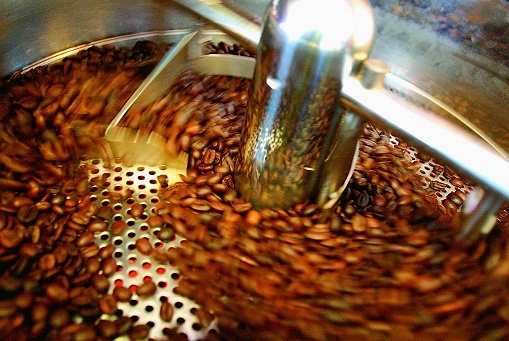
Simple understanding of coffee bean roasting and attention should be paid to the preservation conditions so as not to lose the flavor of coffee beans.
The roasting of coffee beans is the process of converting coffee from raw beans to ripe beans, which is generally divided into eight stages: very shallow roasting (LIGHT Roast), shallow roasting (CINNAMON Roast), micro roasting (MEDIUM Roast), medium roasting (HIGH Roast), medium and deep roasting (CITY Roast), deep roasting (FULL-CITY Roast), very deep roasting (FRENCH Roast), and very deep roasting (ITALIAN).
2016-01-08 Coffee beans roasting simplicity cognition and should pay attention to preservation conditions do not let wind